Note: Due to an error in our recent campaign email, we have moved the donation link to the top: https://cad-asc.ca/ways-to-give/
Our sincerest apologies for the inconvenience and thank you for your continued support.
Canadian Association of the Deaf – Association des Sourds du Canada (CAD-ASC)
2025 Annual Report
In 2025, the Canadian Association of the Deaf – l’Association des Sourds du Canada (CAD-ASC) continued its mission to advance the rights, recognition, and inclusion of Deaf, Deaf-Blind, and Hard of Hearing Canadians, including users of American Sign Language (ASL), Langue des signes québécoise (LSQ), and Indigenous Sign Languages (ISLs).
Indigenous Partnerships and Reconciliation
Reconciliation remains a guiding principle of CAD-ASC’s work.
This year, we continued collaborating with the Wabanaki Council on Disability and extended outreach to Indigenous Deaf, Deaf-Blind, and Hard of Hearing peoples. This Spring, CAD-ASC was a sponsor for the second National Indigenous Deaf Cultural Gathering in Alberta, and our National Indigenous Director attended the Indigenous Disability Canada in British Columbian.
This advocacy continues as our Indigneous Committee works to ensuring Indigenous Deaf recogniton and representation within Turtle Island’s national indigenous and accessibility frameworks.
Representation and Leadership
We celebrated the appointment of Chris Sutton, a proud Canadian, Gallaudet University graduate, and ASL user, as Accessibility Commissioner of the Canadian Human Rights Commission. His leadership reinforces the vital role of Deaf professionals in shaping Canada’s accessibility and human rights agenda.
Deaf Flag on Parliament Hill
In 2025, CAD-ASC raised the Deaf Flag on Parliament Hill to commemorate the U.N. declaration of the International Day of Sign Languages (September 23). For the first time, we were joined by The Honourable Patty Hajdu, Minister of Jobs and Families, and Minister responsible for the implementation of the Accessible Canada Act. We were also joined by the Accessibility Commissioner for the Canadian Human Rights Commission, Christopher Sutton. Their attendance and speeches show growing recognition by Canada’s government and leaders of the importance of Deaf representation in accessibility and policy discussions.

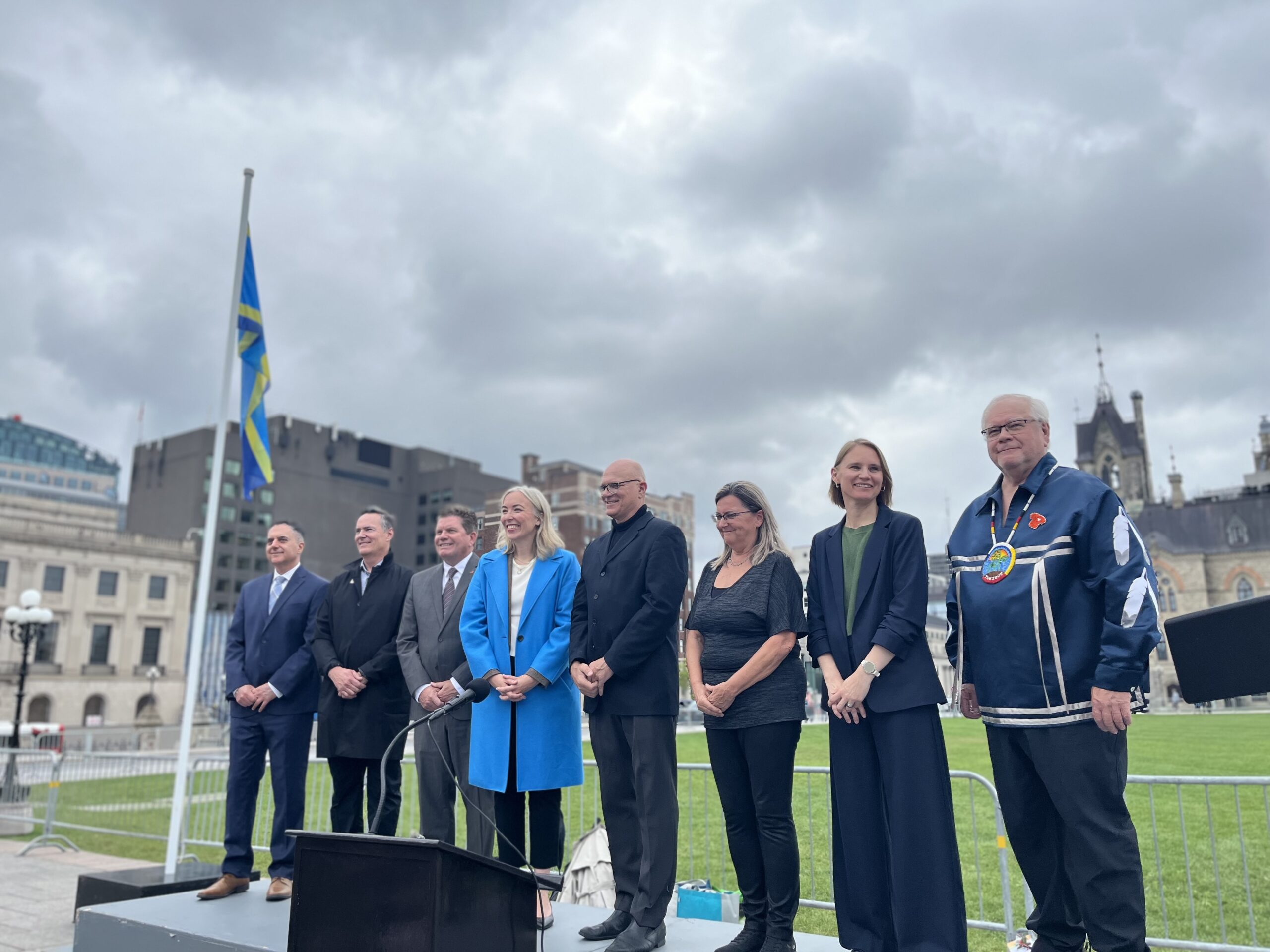
Photo Credit (Left): Emily LaFluer-Brewster Photography
Photo Credit (Right): Neige Rudi
King Charles III Coronation Medals
This year, CAD-ASC also recognized excellence within our community by awarding 25 King Charles III Coronation Medals to individuals who have shown exceptional leadership, advocacy, and service to Deaf Canadians. Including Dr. Jessica Dunkley, in BC., the former Executive Director of CAD-ASC, Jim Roots, Carter Churchill, the successful litigant in the NLHRC case in 2023, and Dawn Jani Birley, a world renown Deaf actress who hails for Saskatchewan. Visit cad-asc.ca/awards to learn more about the 25 recipients.
Consultation and Collaboration
CAD-ASC was consulted on the development of the Royal Canadian Mint’s new Accessibility Plan, where we continue to advocate for the recognition of a Deaf Canadian or the Deaf community on a future commemorative coin — a first in the Mint’s 150-year history. We look forward to future consultations.
We also continue our work with Accessible Standards Canada, the National Disability Network, the Canadian Administrator of VRS (CAV), the CRTC, and many others to ensure accessible communication and equitable participation in essential federal services.
CAD-ASC continues its role of outreach and research. We are working in collaboration with Service Canada to find candidates to test products and their accessibility for sign language users. We are also working to establish videos that will help people navigate government forms and applications for the new Canada Disability Benefit.
Legal and Policy Advocacy
This year, CAD-ASC’s advocacy reached national attention in several key areas:
- The Air Canada v. Rose appeal was heard before the Federal Court of Appeal, reaffirming that Deaf passengers have a right to accessible communication in air travel.
- Following years of CAD-ASC advocacy for on-demand video remote interpreting (VRI), a case was filed before the Federal Court of Canada.
- The Canadian Human Rights Tribunal completed its hearing in Spring 2025 regarding a Deaf Métis man in a federal prison. The case — brought forward by Prisoners’ Legal Services, with CAD-ASC listed as a party — alleges that Correctional Service Canada (CSC) failed to provide interpreters and video relay services, resulting in intense isolation. The decision, expected soon, may set a historic precedent for how CSC accommodates Deaf individuals.
The Road Ahead
While we have made significant progress, challenges persist.
- The closure of the BC Children’s Deaf Program has left many families without critical early language and communication support. CAD-ASC decries the closure of Deaf schools and minimizing of services throughout Canada.
- Canada continues to face a severe shortage of qualified interpreters, particularly in rural and northern regions and asks the government to ensure a Deaf-led solution to training, specializing and certifying interpreters in Canada.
- CAD-ASC awaits the full implementation of the UN CPRD, the establishment of federal standards and regulations under the ACA and for all provinces and territories to ensure the rights of Deaf, Deaf-Blind and Hard-of-Hearing Canadians to meet their national and international Human Rights obligations.
Looking forward, CAD-ASC is developing a new Strategic Plan (2026–2030) that will build on our achievements and chart a stronger, more inclusive future for all Deaf Canadians for the next five years.
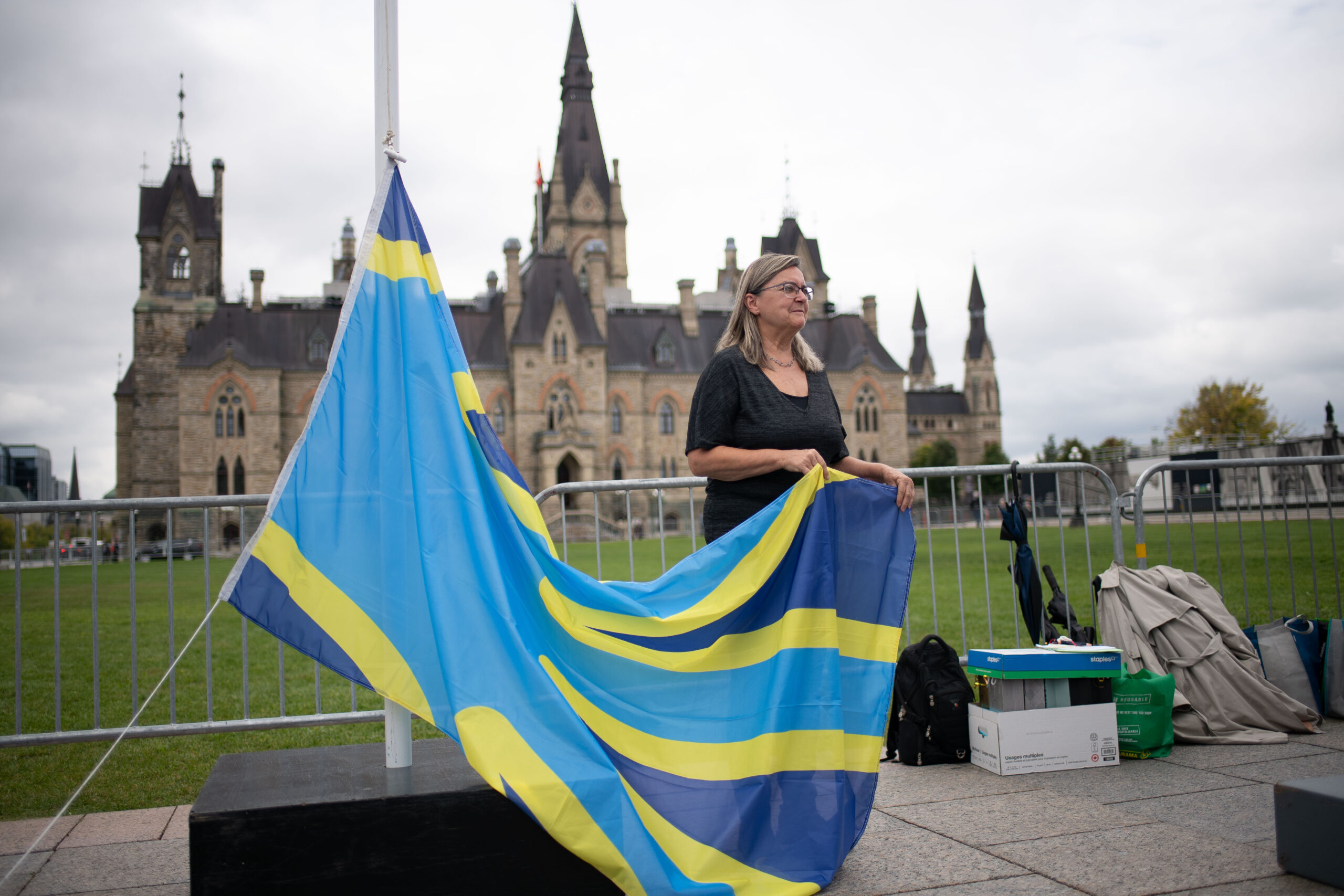
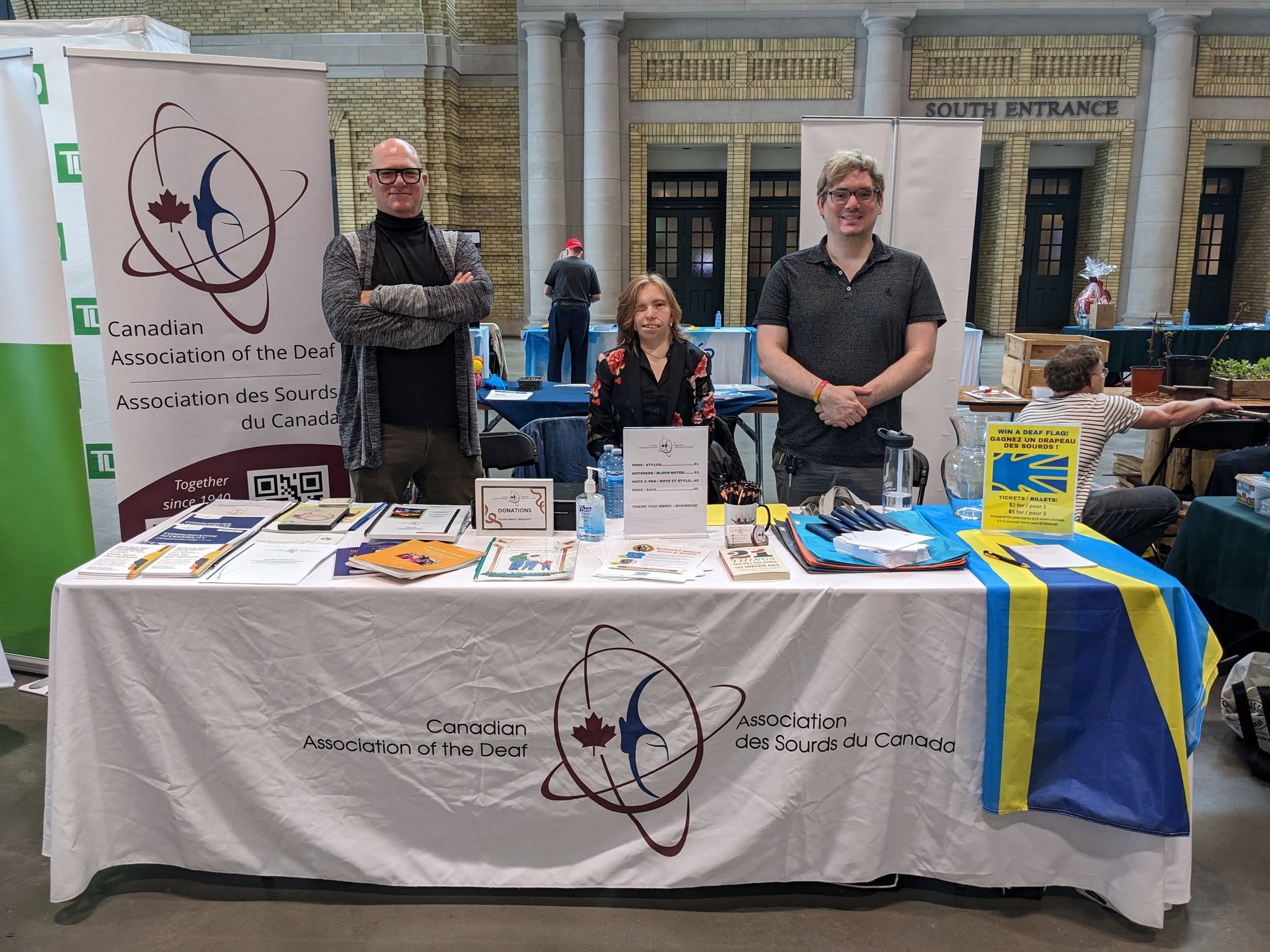
Photo Credit (Left): Emily LaFluer-Brewster Photography
Photo Credit (Right): Anonymous
Our Impact Depends on You
Our board and staff — all of whom, but one, identify as Deaf, Deaf-Blind, or Hard of Hearing — continue to lead with expertise, empathy, and unwavering commitment to accessibility and equality.
We are working diligently to show the government, agencies, researchers and others of the inherent barriers to Deaf communities that use sign language as a way to communicate and navigate through society. You can make a donation by visiting our Ways to Give page.
Your support makes our work possible:
- $25 would allow us to top up a student summer job to $20 an hour for one day.
- $40 helps fund half an hour of interpreting for community meetings or advocacy sessions.
- $100 keeps our 24/7 ASL/LSQ chat box running for one day, offering real-time help and guidance to Deaf Canadians.
- $250 supports one hour of legal advocacy, ensuring Deaf rights are defended at the highest levels.
Together, we are creating a Canada where accessibility is not an exception — but the rule. Nothing about us, without us.
Thank you, merci, miigwetch,
Shawna Joynt
President
Richard Belzile
Executive Director